
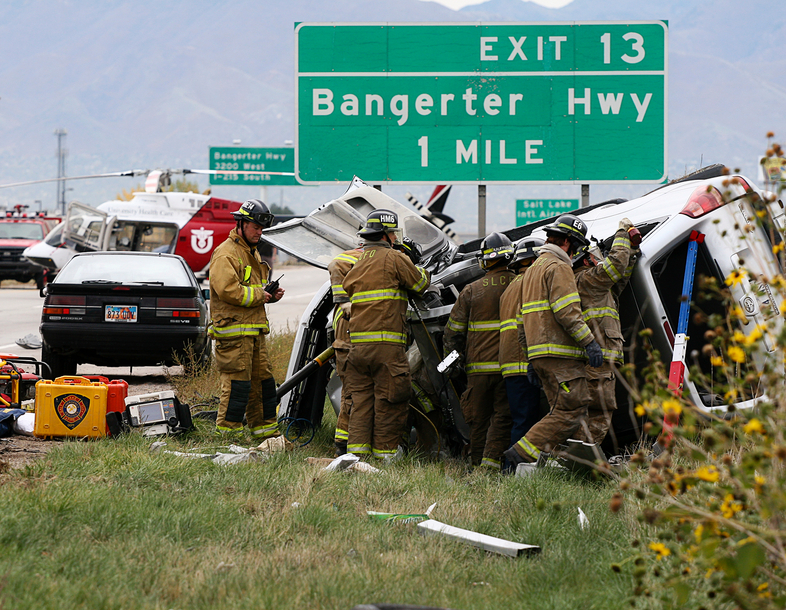
A rollover accident can produce some of the most severe injuries seen in motor vehicle crashes. A vehicle may roll onto its side, overturn repeatedly, strike trees or barriers, or come to rest upside down with occupants trapped inside. Drivers and passengers may suffer traumatic brain injuries, spinal cord damage, fractures, internal injuries, amputations, permanent disabilities, or fatal injuries. Even people who survive may face years of medical treatment and changes to nearly every aspect of their lives.
If someone else’s negligence caused your Mississippi rollover accident, one of your most important questions will be what compensation you may be entitled to recover. There is no standard settlement amount for a rollover case. The value depends upon how the accident occurred, who was responsible, the severity of the injuries, the available insurance coverage, and the long-term financial and personal consequences of the crash.
I’m Jonathan Barrett, and at Barrett Law, PLLC, I represent people injured in serious motor vehicle accidents throughout Mississippi. In a rollover case, my goal is not simply to add together your current medical bills. A catastrophic injury claim should evaluate everything the accident has already cost you and what it is reasonably expected to cost you in the future.
Medical Expenses After a Mississippi Rollover
Medical expenses often represent one of the largest categories of financial damages after a serious rollover accident.
Emergency treatment may begin at the crash scene. Victims may require ambulance transportation, emergency room care, trauma treatment, diagnostic imaging, surgery, hospitalization, or intensive care. Some people remain hospitalized for weeks before transferring to rehabilitation facilities.
Those initial expenses may be only the beginning.
A person with spinal injuries may require additional surgery, physical therapy, pain management, mobility equipment, and long-term specialist care. Someone with a traumatic brain injury may need neurological treatment, cognitive therapy, psychological care, or assistance with everyday activities.
Future medical costs are especially important in catastrophic injury cases. An insurance company may focus heavily on bills that already exist while giving inadequate consideration to care the injured person will need five, ten, or twenty years from now.
Before resolving a major rollover claim, the future medical prognosis should be understood as thoroughly as reasonably possible.
Future Medical Care Can Dramatically Increase the Value of a Claim
Some rollover victims reach maximum recovery within several months. Others live with permanent injuries.
A spinal cord injury may require lifelong medical monitoring, medications, wheelchairs, attendant care, home modifications, and replacement medical equipment. Severe orthopedic injuries can require additional surgeries years later. Brain injuries may interfere permanently with memory, concentration, judgment, and independence.
Future medical expenses should not be treated as speculation when physicians and other appropriate professionals can identify reasonably anticipated needs.
Depending upon the injuries, a serious claim may require consideration of future surgeries, rehabilitation, medical equipment, in-home assistance, accessible transportation, and modifications to a residence.
When injuries are permanent, these future costs can exceed the bills generated immediately after the accident.
Lost Wages During Your Recovery
A rollover injury may prevent you from working for weeks, months, or longer.
Lost income can include salary or hourly wages missed during hospitalization and recovery. Depending upon the circumstances, commissions, overtime, bonuses, self-employment income, or other employment compensation may also become relevant.
Documentation is important. Pay records, tax returns, employer statements, schedules, and medical restrictions may help establish the income you lost because of the accident.
For someone who owns a business or works independently, determining lost income can require additional analysis because earnings may fluctuate.
The purpose is to establish what income you reasonably would have earned had the rollover accident not occurred.
Loss of Future Earning Capacity
One of the largest losses in a catastrophic rollover case may be reduced ability to earn income over the remainder of a person’s working life.
Consider a construction worker who suffers a serious spinal injury and can no longer perform heavy physical labor. The individual may eventually return to some type of employment but earn substantially less than before the accident.
A surgeon with permanent hand damage, a commercial driver with neurological impairment, or a tradesperson with severe mobility restrictions may face similar career consequences.
Loss of earning capacity is different from wages already missed. It addresses the reduction in the person’s future ability to earn.
Age, occupation, education, employment history, skills, medical restrictions, expected career progression, and future work-life expectancy may all become relevant.
Compensation for Physical Pain and Suffering
Not every consequence of a rollover produces an invoice.
A person may endure severe pain during the initial injuries, multiple operations, months of rehabilitation, and continuing symptoms years later. Chronic neck, back, nerve, joint, or headache symptoms may interfere with sleep, concentration, exercise, work, and everyday activities.
Mississippi personal injury claims can include compensation for legally recognized non-economic losses associated with the injuries.
These damages are highly individual. Two people with similar medical bills may experience dramatically different long-term consequences.
Understanding pain and suffering requires examining how the injury has actually affected the person’s daily life rather than treating the case as a collection of medical expenses.
Permanent Disability and Physical Limitations
Some rollover victims never regain their prior physical abilities.
A spinal cord injury may cause paralysis. Severe fractures can permanently restrict walking or standing. Nerve injuries may affect use of an arm or leg. Brain injuries can impair independence and decision-making.
A permanent disability can change where someone lives, what work can be performed, whether the person can drive, and how much assistance is needed each day.
These consequences should be incorporated into the damages claim.
The younger the injured person, the longer those limitations may affect the person’s life, which can make future damages particularly significant.
Scarring and Disfigurement
Rollover crashes frequently involve broken glass, crushed metal, burns, road contact, and emergency surgery.
Victims may be left with permanent facial scars, surgical scars, burn injuries, limb deformities, or amputations.
Disfigurement can create both physical and psychological consequences. A visible scar can affect confidence, social interactions, employment, and emotional health.
Compensation may therefore address the lasting effect of permanent physical changes caused by the collision.
Property Damage and the Loss of Your Vehicle
A vehicle involved in a serious rollover is frequently declared a total loss.
Property compensation may include the value of the vehicle and other personal property damaged or destroyed in the crash, subject to the applicable legal and insurance issues.
However, the property claim should not be confused with the bodily injury claim. Settling vehicle damage does not necessarily mean you should simultaneously settle injuries whose long-term consequences remain unknown.
A person may need a replacement vehicle within days while medical treatment continues for months. Those claims often proceed on different timelines.
Home and Vehicle Modifications After Catastrophic Injuries
Permanent mobility limitations can create expenses that do not fit neatly into ordinary medical bills.
A wheelchair user may need ramps, widened doors, accessible bathrooms, stair-lift systems, or other changes to a home. A modified van or other accessible vehicle may become necessary.
These expenses can continue over a lifetime as equipment and vehicles require replacement.
A catastrophic injury claim should identify these practical costs rather than assuming medical treatment is the only financial consequence of disability.
Rehabilitation and Long-Term Assistance
Some rollover victims need extensive rehabilitation before returning home. Others may need continuing physical, occupational, speech, or cognitive therapy.
A traumatic brain injury victim may require assistance with finances, transportation, appointments, medication, or daily tasks. A person with severe spinal injuries may need attendant care.
Family members frequently provide substantial assistance without being paid. That does not mean the care has no economic significance.
Understanding the future care plan is essential before evaluating the full value of a catastrophic injury case.
Emotional and Psychological Effects of a Rollover
A violent rollover can be terrifying. Occupants may remember the vehicle rotating repeatedly, windows breaking, objects flying through the cabin, or being trapped upside down while waiting for rescue.
Some survivors develop anxiety, nightmares, fear of driving, depression, or trauma-related symptoms.
Psychological injuries deserve appropriate medical attention just like physical injuries.
When emotional harm is directly related to the crash and legally compensable, it may become part of the overall damages evaluation.
Wrongful Death Damages After a Fatal Rollover
Some rollover accidents result in death at the scene or after emergency treatment.
Mississippi wrongful death law may allow qualifying family members or the appropriate representative to pursue compensation when another party’s legally actionable conduct caused the death.
Depending upon the circumstances, the claim may address medical expenses before death, funeral and burial costs, financial losses associated with the deceased person’s earnings and contributions, and other damages recognized under Mississippi law.
Fatal rollover cases often require detailed investigation because the cause may involve another motorist, a commercial vehicle, roadway conditions, tire failure, or a possible vehicle component problem.
More Than One Party May Be Responsible
The amount potentially recoverable can also depend upon who caused the rollover.
Another driver may have sideswiped the SUV or forced it from the roadway. A commercial trucking company may be responsible for a driver’s unsafe lane change. A road contractor or governmental entity may become relevant when a dangerous shoulder or construction condition contributed.
In some crashes, a tire or vehicle component may warrant product-liability investigation.
Identifying every potentially responsible party matters because each may present separate theories of liability and insurance coverage.
A case should not be limited prematurely to the first driver identified on the police report when evidence suggests other factors contributed.
Mississippi Comparative Negligence Can Affect Your Recovery
Insurance companies frequently attempt to place some responsibility on the rollover driver.
They may argue that you were speeding, overcorrected, reacted improperly, or failed to maintain control of the vehicle.
Mississippi follows comparative negligence. This generally means that being partially responsible does not automatically prevent recovery. Instead, compensation can be reduced according to the percentage of negligence attributed to the injured person.
For example, if total legally recoverable damages were determined to be $1 million and an injured person were assigned 20 percent of the fault, comparative negligence could materially reduce the recovery.
That is why unsupported allegations of driver fault must be taken seriously.
Insurance Policy Limits Can Affect Practical Recovery
A catastrophic rollover may cause damages that far exceed the insurance carried by the negligent driver.
This makes identifying every available insurance policy important.
Depending upon the circumstances, coverage could involve personal automobile liability insurance, commercial vehicle insurance, employer coverage, umbrella insurance, uninsured or underinsured motorist benefits, or other policies.
If a commercial vehicle contributed, the available coverage may be substantially different from a typical passenger-car policy.
Potential product-related claims can involve additional defendants and insurance arrangements.
The liability investigation and insurance investigation should therefore occur together.
Why You Should Be Careful About an Early Settlement
An insurance company may make a settlement offer before you know whether you will fully recover.
Accepting money can feel necessary when medical expenses and lost income are creating immediate financial pressure. But a settlement generally resolves the claim permanently.
If a doctor later recommends another surgery or you discover that you cannot return to your previous occupation, you ordinarily cannot simply reopen a completed settlement because the injuries turned out to be more serious.
That makes timing especially important in rollover cases.
The objective should be to understand the medical prognosis, future care, employment consequences, and all other significant losses before deciding whether a settlement fairly compensates you.
How Barrett Law, PLLC Evaluates the Value of a Rollover Claim
At Barrett Law, PLLC, we evaluate both sides of a rollover case: responsibility and damages.
We investigate why the vehicle rolled, whether another driver caused the emergency, whether commercial defendants were involved, whether road conditions contributed, and whether a tire or vehicle component requires examination.
We then document what the accident has cost the client. Medical evidence, future treatment, rehabilitation, lost earnings, career consequences, permanent disability, scarring, pain, and changes to everyday life may all be relevant.
The value of a catastrophic rollover claim should reflect the person who was injured and the future that was changed, not simply an insurance company’s initial assessment.
Frequently Asked Questions About Compensation After a Mississippi Rollover
Is There an Average Settlement for a Rollover Accident?
No meaningful average can determine what an individual case is worth. A rollover involving temporary injuries is fundamentally different from one causing paralysis, traumatic brain damage, or death. Liability, comparative negligence, insurance limits, future treatment, employment losses, and the identity of responsible parties all affect potential recovery.
Can I Recover Future Medical Expenses?
Potentially, when future care is reasonably supported by the medical evidence and legally recoverable. Catastrophic injuries may require surgeries, rehabilitation, medication, equipment, or assistance years after the collision. These future needs should be evaluated before a major case is settled.
Can I Recover if I Cannot Return to My Old Job?
Potentially. A permanent injury may create a loss of future earning capacity when the person can no longer perform the same occupation or earn at the previous level. Employment history, medical restrictions, skills, education, and future career expectations may all become relevant.
Can I Recover for Pain Even if I Eventually Return to Work?
Returning to employment does not necessarily mean the accident caused no compensable pain or limitations. An injured person may work while continuing to experience significant symptoms, undergo treatment, or lose the ability to participate fully in family and recreational activities.
What if I Was Partially Responsible for the Rollover?
Mississippi’s comparative-negligence law generally permits recovery despite partial fault, but damages can be reduced according to the percentage of negligence attributed to you. Because this can substantially affect a large claim, allegations that you caused or contributed to the rollover should be investigated carefully.
What if My SUV Was Defective?
If evidence suggests a defective tire, vehicle design, component, or warning contributed to the crash or injuries, Mississippi product-liability law may become relevant. These claims require specific proof and often technical analysis, so the SUV and suspected components should be preserved before destruction or major alteration.
Call Barrett Law, PLLC After a Serious Mississippi Rollover Accident
A catastrophic rollover can affect your health, employment, finances, independence, and family for years or for the rest of your life. The compensation you pursue should account for those complete consequences rather than simply the expenses that have accumulated during the first few weeks after the crash.
Barrett Law, PLLC represents people seriously injured in rollover accidents throughout Mississippi. We investigate every potential cause, identify responsible parties and available insurance coverage, document current and future damages, and prepare serious cases for litigation when necessary.
Call Mississippi attorney Jonathan Barrett 24/7/365 at (601) 790-1505 for your FREE consultation.