
Mississippi Bicycle Accident Attorney Representing Cyclists Injured by Cars, Trucks, SUVs, and Commercial Vehicles
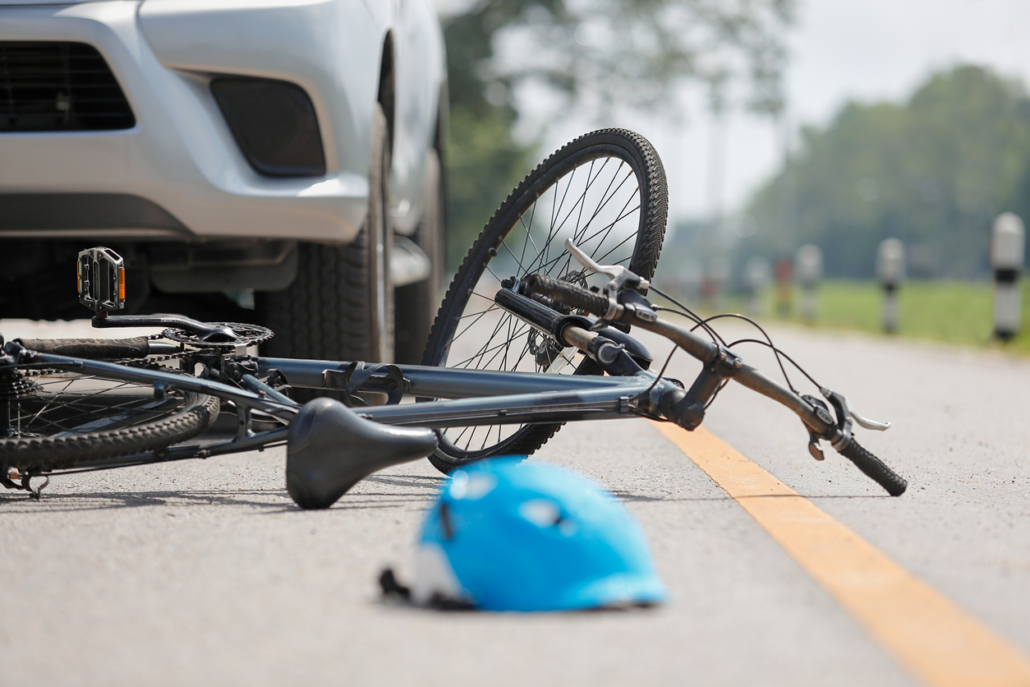
A bicyclist has almost no physical protection when struck by a motor vehicle. There is no passenger compartment, airbag, seat belt, or steel structure surrounding the rider. When a car, pickup truck, SUV, delivery van, or commercial vehicle hits a bicycle, even a collision at relatively modest speed can cause catastrophic injuries. At highway or arterial-road speeds, the consequences can be fatal.
Bicycle-motor vehicle collisions often occur because drivers fail to recognize that cyclists have lawful rights on Mississippi roadways. A motorist may pass too closely, turn across a bicycle’s path, open a vehicle door into a rider, fail to yield at an intersection, drift into a bicycle’s lane, or simply claim that the cyclist was difficult to see. None of those circumstances automatically excuses negligent driving.
At Barrett Law, PLLC, we represent bicyclists injured in collisions throughout Mississippi and families who have lost loved ones in fatal bicycle crashes. Jonathan Barrett investigates how the impact occurred, whether the driver failed to provide adequate passing clearance, whether distraction or speeding contributed, whether the cyclist was visible, whether traffic or roadway conditions played a role, and whether additional parties may share responsibility.
These cases can become contentious because insurance companies often look for ways to blame the cyclist. They may argue that the rider was too far into the lane, was not wearing bright clothing, failed to use appropriate lighting, entered an intersection improperly, or otherwise contributed to the crash. Mississippi law does impose responsibilities on bicyclists, but it also expressly recognizes their roadway rights. A fair investigation must examine the conduct of both parties rather than begin with the assumption that the person riding the bicycle was responsible.
When another driver’s negligence causes serious injury or death, Barrett Law, PLLC works to preserve evidence, establish liability, document the complete damages, and pursue the compensation available under Mississippi law.
Bicyclists Have Legal Rights on Mississippi Roadways
Mississippi law does not treat bicyclists as people who simply use roadways at their own risk. Under Mississippi Code § 63-3-1303, a person riding a bicycle on a roadway generally has the rights and is subject to the duties applicable to drivers of vehicles, except where the bicycle-specific provisions or the nature of a particular rule provide otherwise.
Mississippi Code § 63-3-207 similarly states that people riding bicycles upon highways generally have the rights and duties applicable to drivers of vehicles under the traffic chapter when those provisions can reasonably apply.
This matters because drivers sometimes incorrectly assume that bicycles do not belong on ordinary roads. That misunderstanding can contribute to dangerous passing, aggressive driving, honking, tailgating, and other unsafe conduct.
A bicyclist lawfully using the roadway deserves the same basic respect and attention a motorist would provide to another vehicle. Drivers should account for the cyclist’s slower speed, reduced physical protection, and greater vulnerability when passing, turning, or entering intersections.
Mississippi’s Three-Foot Bicycle Passing Rule
One of the most important bicycle safety laws in Mississippi is the minimum passing-distance requirement.
Mississippi Code § 63-3-1309 provides that a motorist passing a bicyclist on a roadway must leave a safe distance of at least three feet between the motor vehicle and bicycle and must maintain that clearance until safely past the cyclist.
That requirement addresses one of the most dangerous situations cyclists face: a vehicle passing so closely that the rider is struck by a mirror, side panel, trailer, or other part of the vehicle.
Even when there is no direct impact, a dangerously close pass can force a bicyclist from the pavement, into a curb, onto loose gravel, or toward another obstacle. The cyclist may crash while attempting to avoid the passing vehicle.
A motorist therefore should not attempt to squeeze between a bicyclist and opposing traffic when there is insufficient room to provide the legally required clearance. Waiting a few seconds for a safe opportunity to pass is far preferable to creating a life-altering collision.
Close-Passing Bicycle Accidents
Close-passing crashes can be especially difficult to reconstruct because the initial contact may be slight while the resulting fall causes severe injuries.
A driver’s side mirror may strike the rider’s shoulder, arm, head, or handlebars. A larger truck or trailer may sideswipe the cyclist. The aerodynamic forces from a large commercial vehicle passing at close range can also destabilize a bicycle, particularly at higher speeds.
The bicyclist may then fall into the roadway, strike a curb, collide with another vehicle, or be run over by the passing vehicle or following traffic.
Evidence can include damage to the bicycle, paint transfer, damage to the vehicle’s mirror or body, witness statements, helmet-camera footage, dashboard cameras, nearby surveillance video, and physical marks on the roadway.
Because the driver may claim the cyclist swerved unexpectedly, preserving objective evidence can become extremely important.
Drivers Turning Right Across a Bicycle’s Path
A driver passing a bicycle and then immediately turning right can create what cyclists often describe as a “right-hook” collision.
The motorist may overtake the bicycle only to turn across the cyclist’s path into a driveway, parking lot, side street, or intersection. The rider may have nowhere to go and may strike the side of the turning vehicle or become trapped beneath it.
Drivers should recognize that passing a cyclist does not give them the right to immediately cut across the bicycle’s path. A motorist should make sure the cyclist has been safely cleared before beginning the turn.
These cases often require close examination of vehicle positions, turning signals, witnesses, video footage, and the location of impact.
Commercial trucks can create particularly dangerous right-turn situations because the trailer may swing across a cyclist’s path even when the cab initially appears to have passed safely.
Left-Turn Collisions With Bicyclists
Drivers making left turns may fail to recognize an approaching cyclist or misjudge the bicycle’s speed and distance.
Mississippi Code § 63-3-803 requires a driver intending to turn left within an intersection to yield to approaching traffic that is within the intersection or sufficiently close to constitute an immediate hazard.
Because bicyclists generally have roadway rights under Mississippi law, a driver should not ignore an approaching cyclist merely because the bicycle is smaller or moving more slowly than a car.
Left-turn crashes can produce direct frontal or side impacts that throw the cyclist onto the hood, windshield, pavement, or another vehicle.
The driver may later say the bicycle “came out of nowhere,” making visibility, lighting, sight distance, traffic conditions, and witness evidence important.
Drivers Pulling Out of Parking Lots and Driveways
Many bicycle crashes occur when a motorist enters a roadway from a driveway, shopping center, gas station, apartment complex, or business entrance.
Drivers frequently focus on larger vehicles and may fail to recognize a cyclist approaching along the roadway.
A motorist who begins moving from a stopped or parked position should first determine that the movement can be made with reasonable safety. Mississippi Code § 63-3-701 specifically provides that a stopped, standing, or parked vehicle should not begin moving until it can do so safely.
The same basic principle applies when a driver exits a parking space or enters active traffic. Cyclists can be difficult to see if drivers are not actively looking for them.
Surveillance cameras from nearby businesses may be especially useful in these cases because they can show whether the bicyclist was visible before the motorist moved.
Intersection Bicycle Accidents
Intersections combine turning vehicles, traffic signals, crosswalks, lane changes, and several competing traffic movements. For cyclists, they can be among the most dangerous parts of a trip.
A driver may fail to yield while turning, run a red light, fail to stop at a stop sign, or misjudge the cyclist’s location. Conversely, an insurer may allege that the cyclist violated a traffic signal or entered the intersection unexpectedly.
Mississippi’s bicycle laws generally give cyclists the rights and duties applicable to motorists, which means signal compliance and right-of-way rules may become important to determining fault.
Video evidence can be particularly valuable at intersections. Traffic cameras, businesses, homes, dashboard cameras, and even other cyclists may have recorded the crash.
Timing matters because many systems automatically overwrite recordings.
Distracted Drivers and Bicycle Crashes
Bicycles are already smaller and less visually prominent than passenger vehicles, making distracted driving particularly dangerous.
A motorist looking at a phone may fail to recognize a cyclist traveling ahead, approaching an intersection, or occupying part of the roadway. A driver may drift toward the shoulder or bicycle lane while texting or interacting with a navigation system.
Rear-end bicycle collisions can be especially severe because the cyclist may never see the approaching vehicle.
Evidence of distraction can include cellphone records, witness testimony, dashcam footage, driver admissions, or the absence of braking and evasive action before impact.
When the circumstances suggest distraction, prompt preservation of electronic evidence can become important.
Speeding Makes Bicycle Collisions More Severe
Vehicle speed has an enormous effect on the severity of injuries suffered by a cyclist.
A driver traveling too fast has less time to notice the bicycle, more difficulty stopping or avoiding the cyclist, and creates greater impact forces when a collision occurs.
Speed may be especially dangerous on rural Mississippi roads where motorists travel at highway speeds and may encounter cyclists with little warning.
A driver may be within the numerical speed limit yet still be traveling too fast for curves, darkness, rain, heavy traffic, limited sight distance, or other conditions.
Mississippi’s careless-driving statute requires drivers to account for traffic, roadway geometry, and other attendant circumstances when operating a vehicle.
Commercial Truck and Delivery Vehicle Bicycle Accidents
Commercial vehicles can create extraordinary risks for cyclists because of their size, blind areas, wide turns, and weight.
A truck driver may fail to recognize a bicyclist beside the vehicle before changing lanes or turning right. A trailer may sweep into the cyclist’s path. Delivery drivers repeatedly entering and leaving curbside areas may also come into conflict with bicyclists.
When a commercial vehicle causes a crash, responsibility may extend beyond the individual driver depending upon the employment relationship and circumstances.
The company may possess GPS data, onboard video, telematics information, driver records, dispatch communications, and safety procedures relevant to the accident.
Commercial insurance policies may also provide greater available coverage than a personal automobile policy, which can become especially important when the cyclist has catastrophic injuries.
Bicycle Crashes Caused by Unsafe Lane Changes
Drivers changing lanes should make sure the movement can be completed safely. Mississippi law governing qualifying multilane roads generally requires vehicles to remain within a single lane as nearly as practical and not move from that lane until the driver has ascertained that the movement can be made safely.
A cyclist riding lawfully near the right side of the roadway or within a bicycle lane may be struck when a driver drifts laterally or changes lanes without adequate observation.
Blind-spot claims should be examined carefully. A driver who says a bicyclist was in a blind spot may actually be acknowledging that the lane change occurred without adequate confirmation that the area was clear.
Dooring Accidents
A bicycle crash can occur even when the motor vehicle is parked.
Drivers and passengers sometimes open vehicle doors directly into the path of an approaching cyclist. The bicyclist may strike the door itself, swerve into moving traffic, or be thrown into another vehicle.
These collisions can cause severe facial injuries, fractures, head trauma, shoulder injuries, and spinal damage.
Dooring cases may depend on where the vehicle was parked, the cyclist’s position, visibility, and whether the person opening the door exercised reasonable care.
Nearby business and residential cameras can provide important evidence in urban or commercial areas.
Dangerous Road Conditions Can Contribute to Bicycle Accidents
Road defects can affect bicyclists much more severely than motorists.
Potholes, broken pavement, loose gravel, drainage grates, debris, uneven shoulders, standing water, construction zones, and poorly maintained bicycle lanes can destabilize a bicycle and force the rider into traffic.
Sometimes the cyclist is struck by a vehicle after swerving around an unexpected hazard. In other cases, the dangerous roadway condition itself causes the fall.
Potential responsibility may extend to contractors, governmental entities, utilities, property owners, or other parties depending upon who created or controlled the condition.
Claims involving Mississippi governmental entities can have special procedural and immunity rules, making early investigation important.
Bicyclists Also Have Duties Under Mississippi Law
Mississippi bicycle law grants cyclists important rights, but those rights come with responsibilities.
Mississippi Code § 63-3-1307 provides, among other things, that bicyclists must exercise due care when passing or overtaking a vehicle proceeding in the same direction and generally may not ride more than two abreast on a roadway, except on areas set aside exclusively for bicycles.
Mississippi’s broader statutory framework also generally applies ordinary traffic duties to bicyclists when those rules are capable of applying.
Insurance companies may investigate whether the cyclist obeyed traffic signals, used appropriate lighting, maintained lane position, or otherwise complied with applicable law.
But a cyclist’s alleged violation does not automatically excuse negligent conduct by a motorist. Mississippi comparative negligence principles may allow responsibility to be allocated among multiple parties when both contributed.
Comparative Negligence in Mississippi Bicycle Accident Claims
Mississippi follows pure comparative negligence under Miss. Code § 11-7-15. That means an injured bicyclist’s own negligence does not necessarily eliminate the claim, although compensation can be reduced according to the percentage of responsibility assigned.
This rule matters because bicycle cases often produce aggressive blame-shifting by insurers.
A carrier may argue the cyclist was too far into the road, failed to signal, lacked adequate lighting, crossed improperly, or should have avoided the vehicle.
Those allegations should be supported by evidence.
Vehicle damage, bicycle damage, witness statements, video, roadway markings, electronic data, and reconstruction can help establish what actually happened and prevent unsupported assumptions from controlling the claim.
Severe Injuries Caused by Bicycle-Motor Vehicle Collisions
Bicycle accident victims frequently suffer multiple injuries in a single collision.
The initial vehicle impact may cause fractures, internal trauma, or head injury. The cyclist may then strike the pavement, curb, windshield, or another object.
Traumatic brain injuries can affect memory, concentration, speech, personality, and independence. Even helmeted cyclists can suffer serious brain trauma.
Spinal injuries may result in chronic pain, nerve damage, mobility limitations, or paralysis. Fractures involving the arms, wrists, legs, pelvis, shoulders, and ribs may require surgery and extensive rehabilitation.
Road rash can involve deep tissue damage, infections, skin grafts, scarring, and disfigurement.
Internal bleeding and organ damage can become life-threatening.
The medical and financial consequences may continue for years after the collision.
Children Injured in Bicycle Accidents
Children often use bicycles for recreation, transportation, and independence, but they may be particularly vulnerable to traffic hazards.
Drivers should exercise appropriate care when children are present in residential neighborhoods, near schools, parks, and other areas where young cyclists are reasonably expected.
A child may also have different abilities to judge speed, distance, and traffic danger than an adult rider.
When a child suffers serious injuries, the damages analysis should consider long-term development, future medical needs, educational consequences, physical limitations, scarring, and future earning capacity.
A severe childhood brain or spinal injury can affect decades of life, making early settlement before the prognosis is clear especially concerning.
Insurance Issues After a Bicycle Crash
The at-fault driver’s automobile liability coverage is often an important source of compensation after a bicycle-motor vehicle collision.
When the responsible driver has insufficient coverage, additional insurance questions may arise depending upon the circumstances and policies available to the injured person.
Commercial vehicle crashes may involve business liability policies. Hit-and-run incidents may raise uninsured motorist issues depending upon applicable coverage and facts.
Identifying all available insurance can become particularly important when injuries are catastrophic and medical and lifetime losses exceed the limits of an ordinary personal automobile policy.
Hit-and-Run Bicycle Accidents
Drivers sometimes leave the scene after striking a cyclist or causing a rider to crash.
A fleeing vehicle may leave behind physical evidence such as paint transfer, broken mirrors, lights, or other components. Witnesses may remember the color, make, model, or license plate.
Traffic cameras, home security systems, business surveillance footage, and dashcams may help identify the vehicle.
If the driver cannot be located, potential uninsured motorist coverage may require evaluation depending upon the policy and circumstances.
Promptly reporting the collision and preserving evidence can improve the likelihood of identifying the responsible driver.
Compensation Available After a Mississippi Bicycle Accident
The compensation available depends upon the severity of the injuries and the circumstances of the crash.
Medical damages may include emergency transportation, hospital care, surgery, diagnostic testing, rehabilitation, therapy, medications, future treatment, assistive devices, and other healthcare costs.
Lost wages may be available when the cyclist cannot work. Permanent injuries may also reduce future earning capacity.
Non-economic damages may address physical pain, emotional suffering, permanent impairment, disfigurement, scarring, and loss of enjoyment of life.
The bicycle and other damaged property may also be part of the claim.
A serious case should not be valued solely from the bills accumulated during the first few weeks. Long-term medical needs and vocational effects should be considered before settlement.
Fatal Mississippi Bicycle Crashes and Wrongful Death Claims
A bicycle rider has little chance of surviving certain high-speed impacts, particularly those involving commercial trucks or distracted drivers.
Mississippi’s wrongful death statute may permit qualifying family members or the appropriate representative to pursue a claim when actionable wrongful conduct causes death.
Damages may involve medical expenses before death, funeral and burial costs, lost financial contributions, and other legally recognized losses suffered by the decedent and family.
Fatal bicycle cases should be investigated promptly because the victim cannot provide an account of the collision and objective evidence can disappear quickly.
Video, witness testimony, vehicle data, cellphone information, roadway evidence, and commercial records may therefore become especially important.
What Insurance Companies May Argue After a Bicycle Crash
Insurance companies may attempt to characterize bicyclists as unpredictable or suggest that riders should not have been using the roadway.
Mississippi law does not support treating lawful bicyclists as second-class roadway users. Cyclists generally have vehicle-related rights and duties under state law, and motorists must provide the minimum passing clearance required by § 63-3-1309.
Carriers may also argue that the cyclist was difficult to see, was traveling too slowly, lacked appropriate equipment, or suddenly moved into traffic.
Every one of those claims should be measured against physical and objective evidence.
The insurer may further challenge medical treatment, future disability, lost earnings, or the relationship between the crash and the injuries.
Building a strong case therefore requires proving both liability and damages.
How Barrett Law, PLLC Investigates Mississippi Bicycle-Motor Vehicle Collisions
At Barrett Law, PLLC, we investigate these crashes with particular attention to the differences between bicycles and motor vehicles.
We may examine vehicle damage, bicycle damage, roadway markings, passing distance, photographs, witnesses, dashboard cameras, helmet cameras, surveillance footage, cellphone activity, traffic controls, and electronic vehicle information.
When a commercial vehicle is involved, we may investigate GPS information, onboard video, driver records, company policies, dispatch information, and other commercial evidence.
We also focus closely on the client’s medical and financial losses. Serious bicycle injuries can interfere with employment, mobility, independence, exercise, family responsibilities, and ordinary activities.
Our goal is to develop the full story of both how the collision occurred and how it changed the client’s life.
Why Choose Barrett Law, PLLC After a Mississippi Bicycle Accident?
Bicycle collision cases can become difficult because some drivers and insurers begin with unfair assumptions about cyclists.
Jonathan Barrett represents seriously injured people and families throughout Mississippi. Barrett Law, PLLC focuses on the evidence rather than stereotypes.
We investigate whether the driver provided adequate clearance, maintained a proper lookout, yielded appropriately, avoided unsafe turns and lane changes, and complied with Mississippi traffic law.
We also identify available insurance coverage, document serious injuries and future losses, challenge efforts to improperly blame the cyclist, and prepare the case for litigation when necessary.
Frequently Asked Questions About Mississippi Bicycle-Motor Vehicle Collisions
Are Bicyclists Allowed to Ride on Mississippi Roads?
Generally, yes. Mississippi Code §§ 63-3-207 and 63-3-1303 provide that bicyclists using roadways generally have the rights and duties applicable to vehicle drivers, except for provisions that cannot reasonably apply or where bicycle-specific rules provide otherwise.
How Much Space Must a Driver Give a Bicyclist When Passing?
Mississippi Code § 63-3-1309 requires motorists passing bicyclists on roadways to leave a safe distance of at least three feet and maintain that clearance until safely past the bicycle. A driver who attempts to squeeze past without adequate clearance may create substantial risk of direct impact or forcing the cyclist from the roadway.
Can I Have a Claim if the Vehicle Never Actually Hit My Bicycle?
Potentially. A motorist may make a dangerously close pass, unsafe lane change, or turn that forces a cyclist to crash while avoiding impact. These cases may be harder to prove because there is no physical contact between the vehicles. Witnesses, cameras, road evidence, and other objective information can therefore become particularly valuable.
What if the Driver Says They Did Not See Me?
Failure to see a cyclist does not automatically excuse negligence. Drivers have an obligation to observe lawful roadway users before turning, passing, entering traffic, or changing lanes. The investigation may examine lighting, sight distance, the cyclist’s position, vehicle design, traffic conditions, and how long the cyclist should have been visible.
Can a Driver Be Responsible for Passing Too Closely?
Yes. Mississippi has a statutory three-foot minimum passing requirement under § 63-3-1309. Evidence of a close pass may come from witnesses, cameras, damage patterns, physical roadway evidence, or statements from the driver and cyclist.
What if I Was Partially at Fault?
Mississippi’s comparative-negligence rule may allow recovery even when the cyclist bears some responsibility, although damages can be reduced according to the assigned percentage of fault. Insurers often attempt to exaggerate cyclist fault, making objective evidence especially important.
What if a Commercial Truck Hit Me?
A commercial bicycle crash may involve potential responsibility beyond the individual driver. A motor carrier, employer, vehicle owner, or other entity may become relevant depending upon the circumstances. Commercial defendants may also possess GPS data, onboard cameras, driver records, and other evidence that should be preserved promptly.
What Damages Can I Recover?
Depending upon the case, damages may include current and future medical expenses, rehabilitation, lost income, diminished earning capacity, physical pain, emotional suffering, permanent disability, scarring, bicycle damage, and other legally recoverable losses.
Can Children Recover Compensation After Bicycle Accidents?
Yes, when another party is legally responsible. Childhood injuries can create unique damages involving future medical care, developmental consequences, educational needs, permanent physical limitations, and future earning ability. Settlements involving minors may also require additional legal procedures.
What if I Was Hit by a Car That Fled?
Report the crash promptly and preserve as much identifying information as possible. Witnesses, surveillance systems, cameras, and physical vehicle debris may help identify the driver. Depending upon the insurance policies and circumstances, uninsured motorist coverage may also warrant investigation.
Can My Family File a Claim if a Loved One Was Killed While Cycling?
Potentially. Mississippi wrongful death law permits qualifying claims when actionable conduct causes death. Fatal bicycle cases often require immediate evidence preservation because the cyclist cannot provide an account and video, electronic information, or vehicle evidence may disappear.
How Soon Should I Contact a Bicycle Accident Lawyer?
Prompt investigation can be important. Surveillance video can be overwritten, witnesses can become difficult to locate, vehicles and bicycles can be repaired, commercial records can disappear, and road conditions can change. Early legal involvement can help preserve potentially critical evidence.
Barrett Law, PLLC Represents Bicycle Accident Victims Throughout Mississippi
Barrett Law, PLLC represents injured cyclists and families throughout the Mississippi Gulf Coast, Central Mississippi, Southern Mississippi, and Northern Mississippi, including Jackson, Gulfport, Southaven, Hattiesburg, Biloxi, Olive Branch, Tupelo, Meridian, Pearl, Madison, Greenville, Oxford, Clinton, Horn Lake, Brandon, and surrounding communities.
Whether the collision involved a close pass, unsafe turn, distracted driver, commercial truck, dangerous lane change, hit-and-run driver, or intersection crash, our focus is determining why the collision happened and what evidence establishes responsibility.
Injured in a Mississippi Bicycle-Motor Vehicle Collision? Call Jonathan Barrett 24/7/365
A bicyclist struck by a motor vehicle may face surgery, rehabilitation, lost income, permanent disability, and an insurance company attempting to place responsibility on the rider. You deserve an investigation based on evidence and Mississippi law rather than assumptions about cyclists.
Barrett Law, PLLC investigates bicycle crashes, preserves video and electronic evidence, evaluates Mississippi’s bicycle-passing and roadway rules, identifies commercial and other responsible parties, documents serious injuries and future losses, and prepares cases for litigation when insurers refuse to provide fair compensation.
Call Mississippi attorney Jonathan Barrett 24/7/365 at (601) 790-1505 for your FREE consultation.